
AI Compliance with the EU AI Act and evolving AI governance frameworks
Organizations developing or deploying AI systems must align their governance processes with regulations such as the EU AI Act.
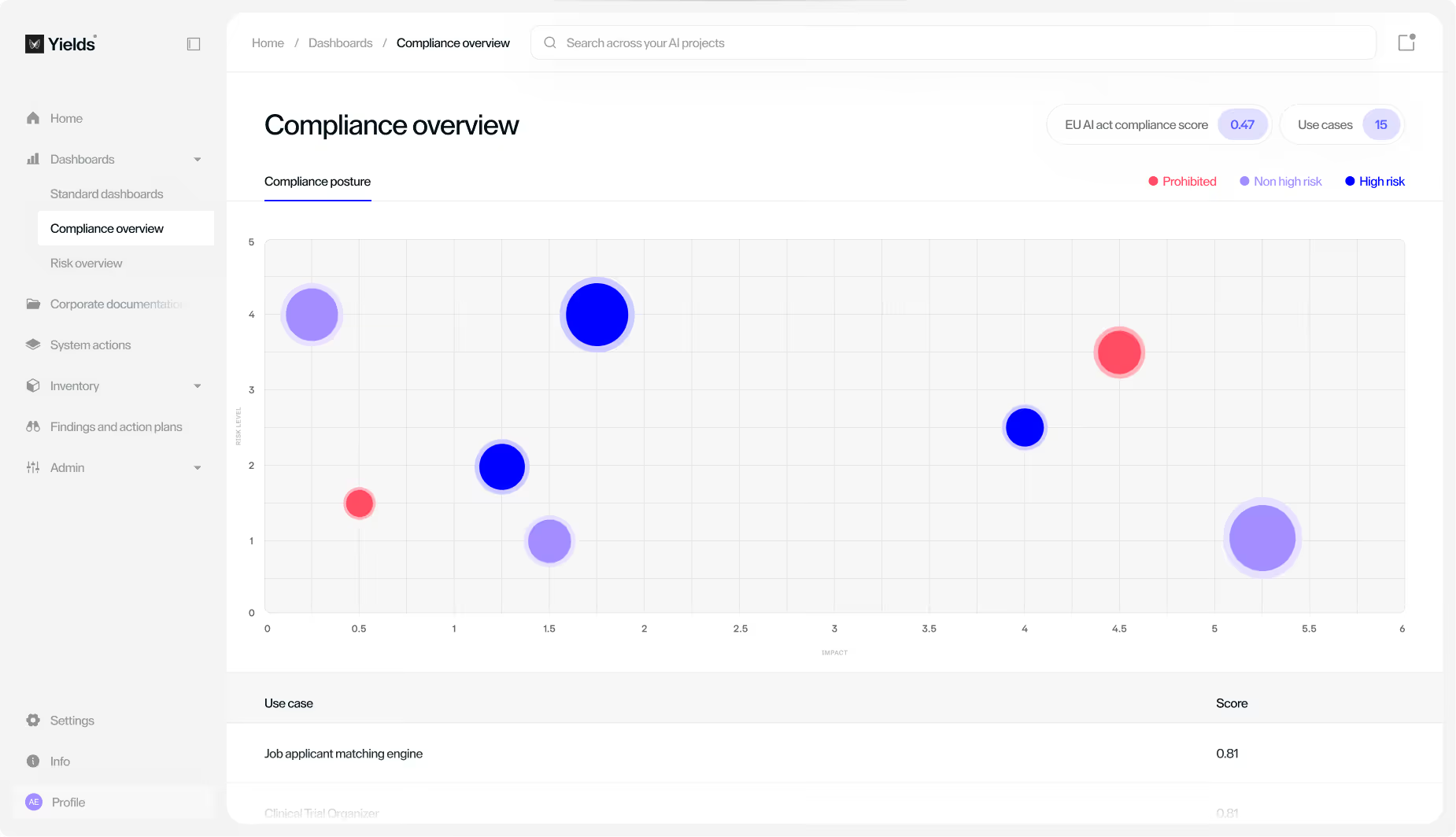
Yields provides AI Governance Software that helps organizations operationalize AI compliance by structuring risk classification, documenting safeguards, and maintaining traceable governance decisions throughout the AI lifecycle.

Request a demo
From model risk management and performance monitoring to AI governance. Yields provides one clear platform to manage every model across its lifecycle. Book a 30-minute, no-obligation demo today.
Why AI compliance is challenging
The EU AI Act introduces a risk-based regulatory framework requiring organizations to classify AI systems, implement safeguards, and document governance decisions.Without a structured governance platform, organizations often face challenges such as:


Organizations need a structured platform to manage AI governance consistently while adapting to evolving regulations.
A structured platform for AI compliance
Yields AI Governance Software provides a configurable framework that helps organizations align their AI governance processes with regulatory requirements such as the EU AI Act.
The platform enables organizations to:

Classify AI systems based on regulatory risk categories
Document safeguards, controls, and governance decisions
Maintain traceable evidence across the AI lifecycle
Define organization-wide AI governance policies
Allow business units to extend governance policies where needed
Support both deployer and provider compliance responsibilities
How it works?

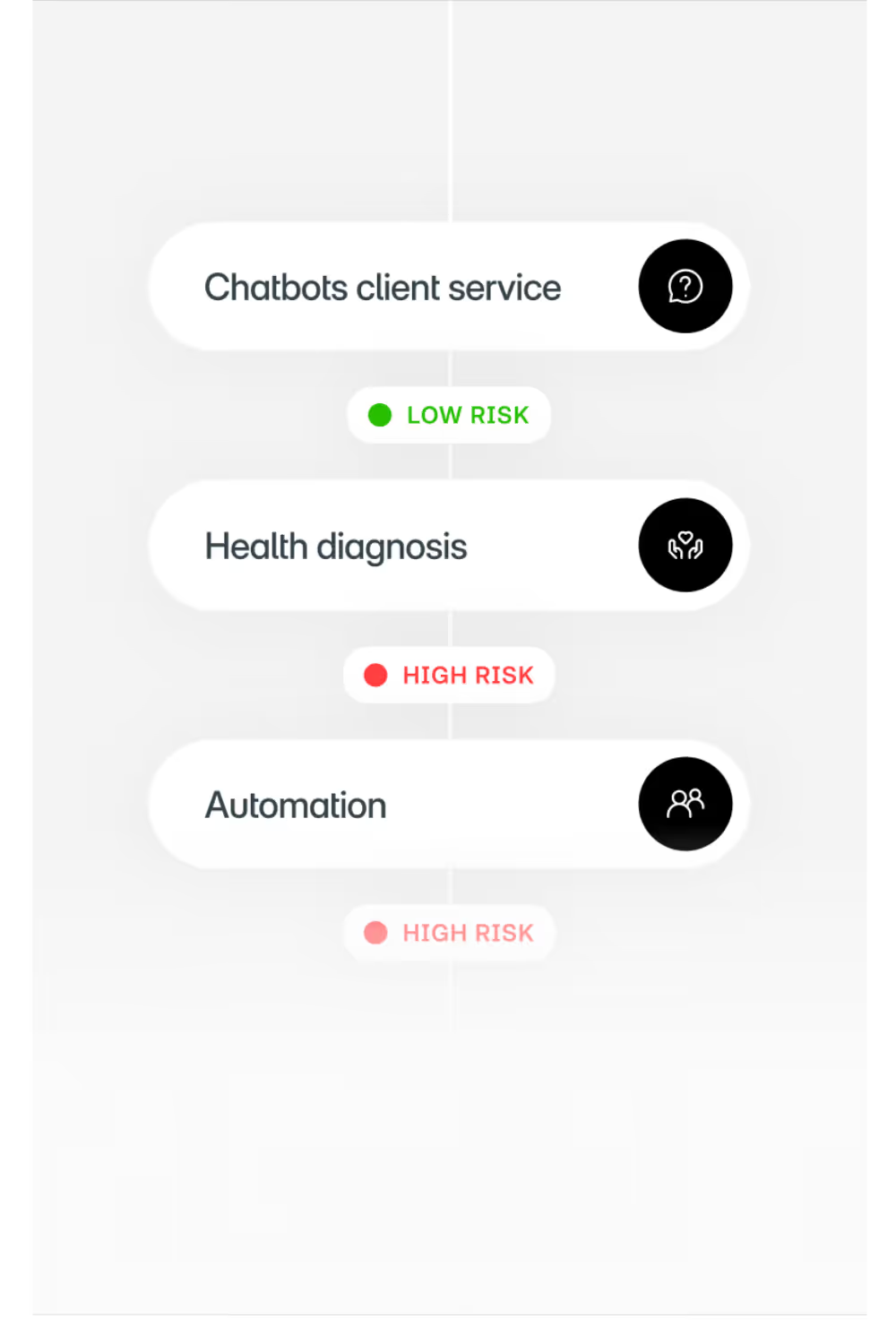
Register and classify AI systems
Capture AI systems and classify them according to regulatory risk categories using guided templates and workflows.

Define governance policies
Define organization-wide AI governance policies and manage safeguards with version tracking.

Capture compliance evidence
Document safeguards, governance decisions, and supporting evidence linked to AI systems.

Monitor compliance
Track governance processes and compliance status through configurable dashboards.
Generate regulatory documentation
Generate regulatory documentation using templates aligned with governance frameworks.


Managing AI risk in practice
Download our practical guide to AI governance and managing AI Risk, built on a decade of real-world experience. Discover how to operationalize AI governance with clarity, structure, and confidence.
One platform.
Clear control.
Organizations choose Yields to replace fragmented tools and manual processes with a single source of truth for models and AI. The result is better oversight, stronger governance, and confidence in decisions driven by models and AI.












Operationalize AI compliance with structured governance
FAQ

AI compliance refers to the processes organizations implement to ensure their AI systems follow applicable laws, regulations, and governance standards. In the European Union, this includes aligning with the EU AI Act, which requires organizations to classify AI systems, implement safeguards, and maintain documentation of governance decisions throughout the AI lifecycle.
The EU AI Act is a regulatory framework that governs the development and deployment of artificial intelligence in the European Union. It introduces a risk-based approach where AI systems must be classified according to their potential impact. Depending on the classification, organizations must implement safeguards, document governance processes, and demonstrate compliance.
AI compliance is challenging because organizations often manage AI system information across multiple tools, spreadsheets, or departments. This can lead to fragmented documentation, manual tracking of compliance evidence, limited visibility into AI risks, and inconsistent governance processes across teams.
Organizations can operationalize AI compliance by implementing structured governance processes that allow them to classify AI systems, define policies and safeguards, document decisions, and maintain traceable evidence. Governance platforms can help centralize this information and support consistent compliance processes across the AI lifecycle.
Yields provides AI Governance Software that helps organizations manage AI compliance in a structured way. The platform enables organizations to classify AI systems, document safeguards and governance decisions, maintain audit-ready evidence, monitor compliance through dashboards, and generate regulatory documentation aligned with frameworks such as the EU AI Act.