
Govern every stage of the Model Lifecycle from initiation to retirement
Effective Model Risk Management requires more than a static inventory. It requires structured control over every stage of the model lifecycle.
Yields enables organizations to manage models through standardized, auditable workflows that ensure consistency, accountability, and regulatory compliance from development to decommissioning.
Why is a good model lifecycle managament important?
Model lifecycle management often exists on paper. In reality, execution is fragmented. What works for 20 models breaks at 200.


Without structured lifecycle control, governance becomes reactive instead of controlled.
Yields offers end-to-end model lifecycle management
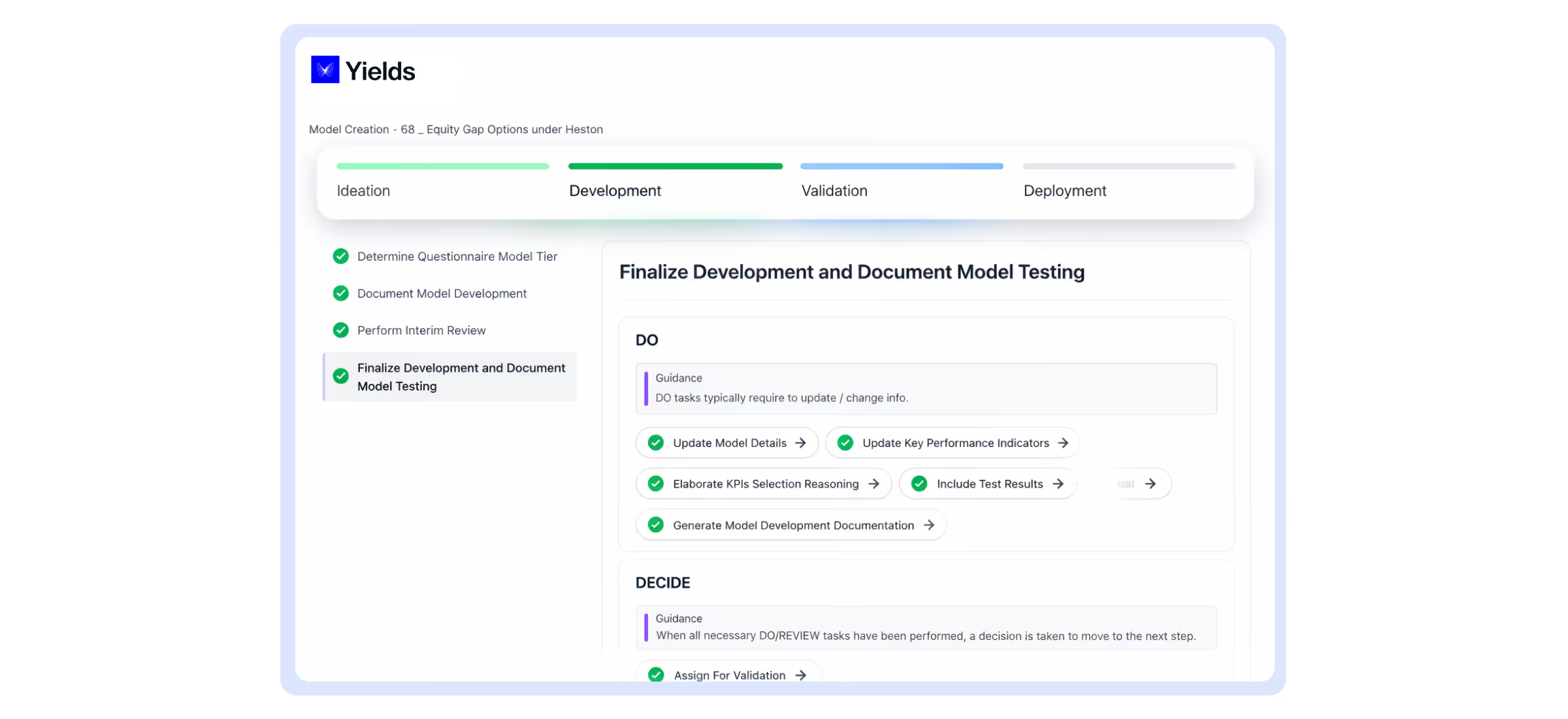
With Yields' model risk management software you can easily create configurable workflows that structures and automates your full model lifecycle(s).
From model initiation to validation, monitoring, remediation, and retirement, every stage is managed within a controlled environment.

Define lifecycle phases aligned with your MRM policy
Assign roles and permissions per phase
Enforce mandatory documentation and approvals
Standardize validation and monitoring processes
Track findings and remediation activities
Maintain a complete audit trail
A typical model lifecycle consists of seven stages


Transform your model lifecycle management into a streamlined process.

FAQ

A documented lifecycle alone is not sufficient.
Without workflow enforcement, task ownership, and audit trails, lifecycle governance becomes inconsistent and difficult to defend during regulatory review.Structured lifecycle management ensures that no model moves forward without completing required controls.
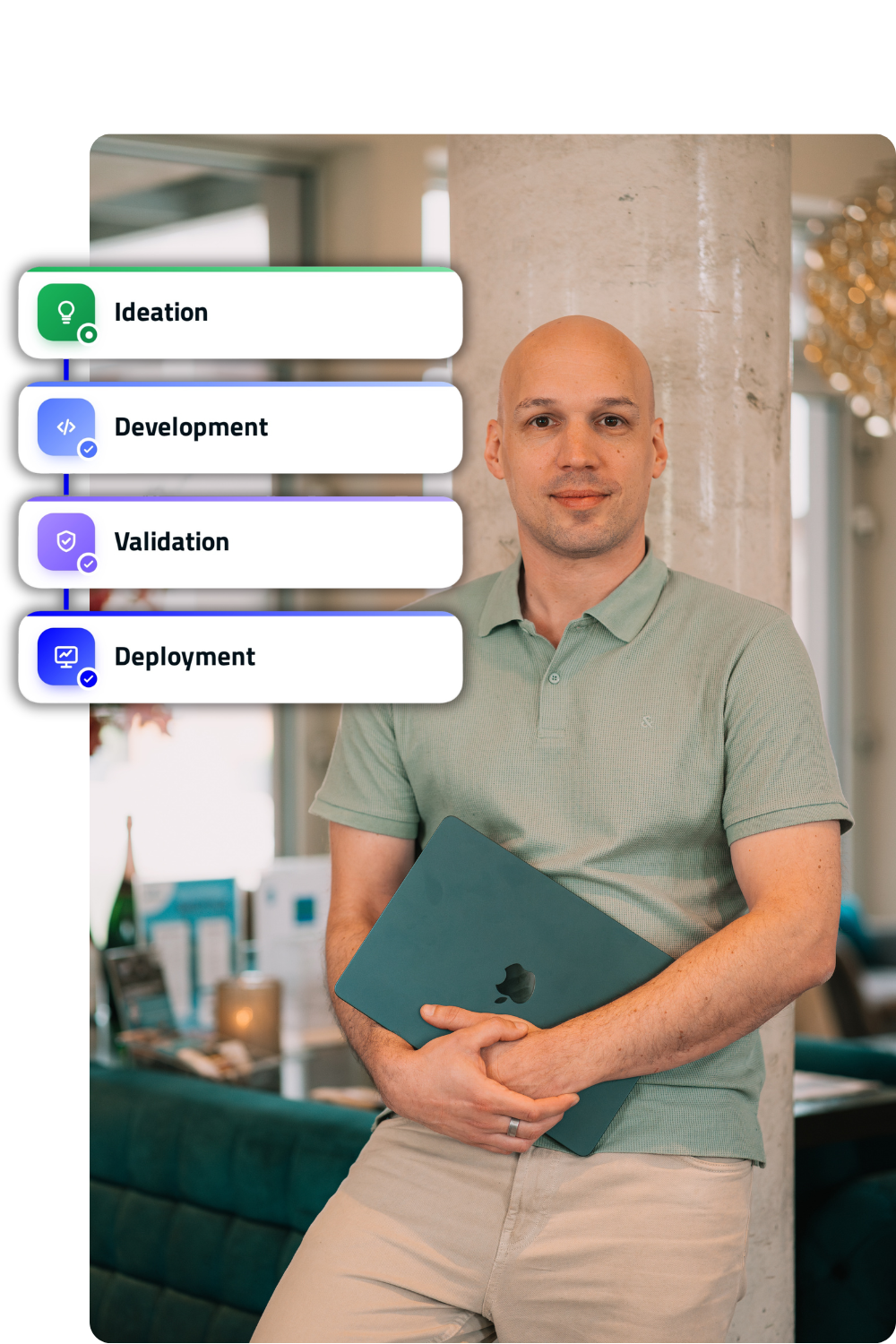
A typical Model Lifecycle consists of seven structured stages:
Model Proposal – Business need definition and initial risk assessment
Model Development – Data preparation, modelling and methodology selection
Pre-Validation – Internal testing and documentation by the first line
Independent Review – Formal validation by the second line of defence
Approval – Stakeholder sign-off before production
Implementation – Controlled deployment into production systems
Validation & Monitoring – Production validation and ongoing oversight
Each stage is governed through configurable workflows, clear role assignments, and full audit traceability.
If a model is materially changed, recalibrated, or extended, it re-enters the same lifecycle process to ensure continuous governance.
Yields uses configurable workflows that:
- Assign responsibilities per stage
- Enforce mandatory documentation
- Trigger notifications and reminders
- Block progression when approvals are missing
- Log all decisions and changes automatically
- This ensures consistent governance across all models.
Yes.While Yields provides a best-practice out-of-the-box configuration, lifecycle phases, role permissions, questionnaires, and approval flows can be adapted to reflect your internal MRM policy.No coding is required.
Yields enables role-based controls:
- First line users manage development, documentation and monitoring
- Second line users perform independent review and validation
- Permissions are configurable and fully auditable
This ensures proper segregation of duties.