
Model Risk Assessment with clarity, consistency and confidence
As organisations rely on more models to support critical decisions, understanding model risk becomes essential. Differences in model purpose, complexity and impact make it difficult to assess risk in a consistent way.
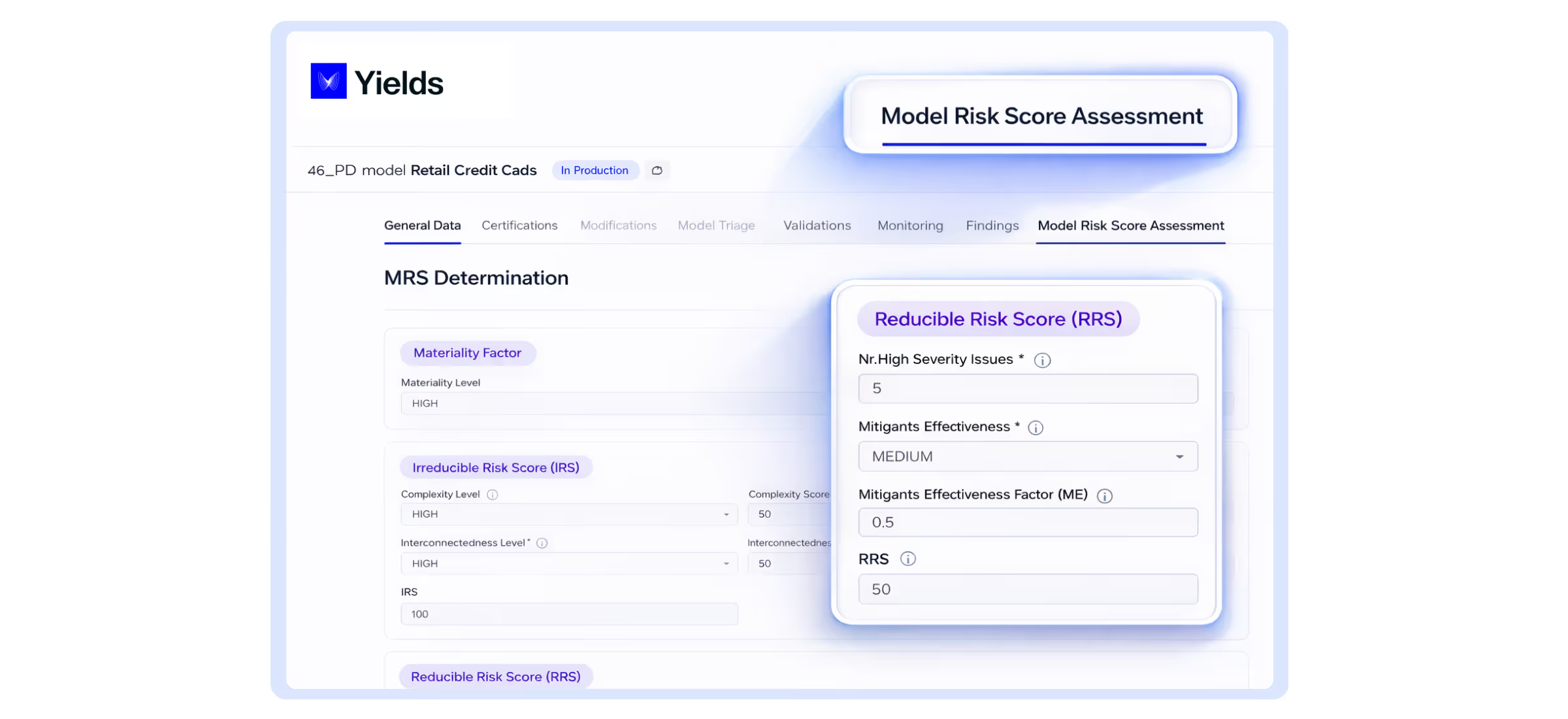
Yields helps organisations perform structured model risk assessment (also often called model risk tiering) using one Model Risk Management software platform.
The challenge of model risk assessment/ model risk tiering
Assessing model risk becomes harder as models and AI evolve.
Without a structured approach, assessments are inconsistent and difficult to explain.


This leads to inefficient and hard to defend model risk assessment.
How Yields supports model risk assessment
The Yields Model Risk Management software helps organisations assess model risk in a consistent and repeatable way. This helps prioritise reviews and make model risk decisions with confidence.

Capture key risk factors in a structured format
Apply consistent assessment criteria across models
Assign clear risk tiers based on impact and complexity
Link risk levels to validation, monitoring and governance actions
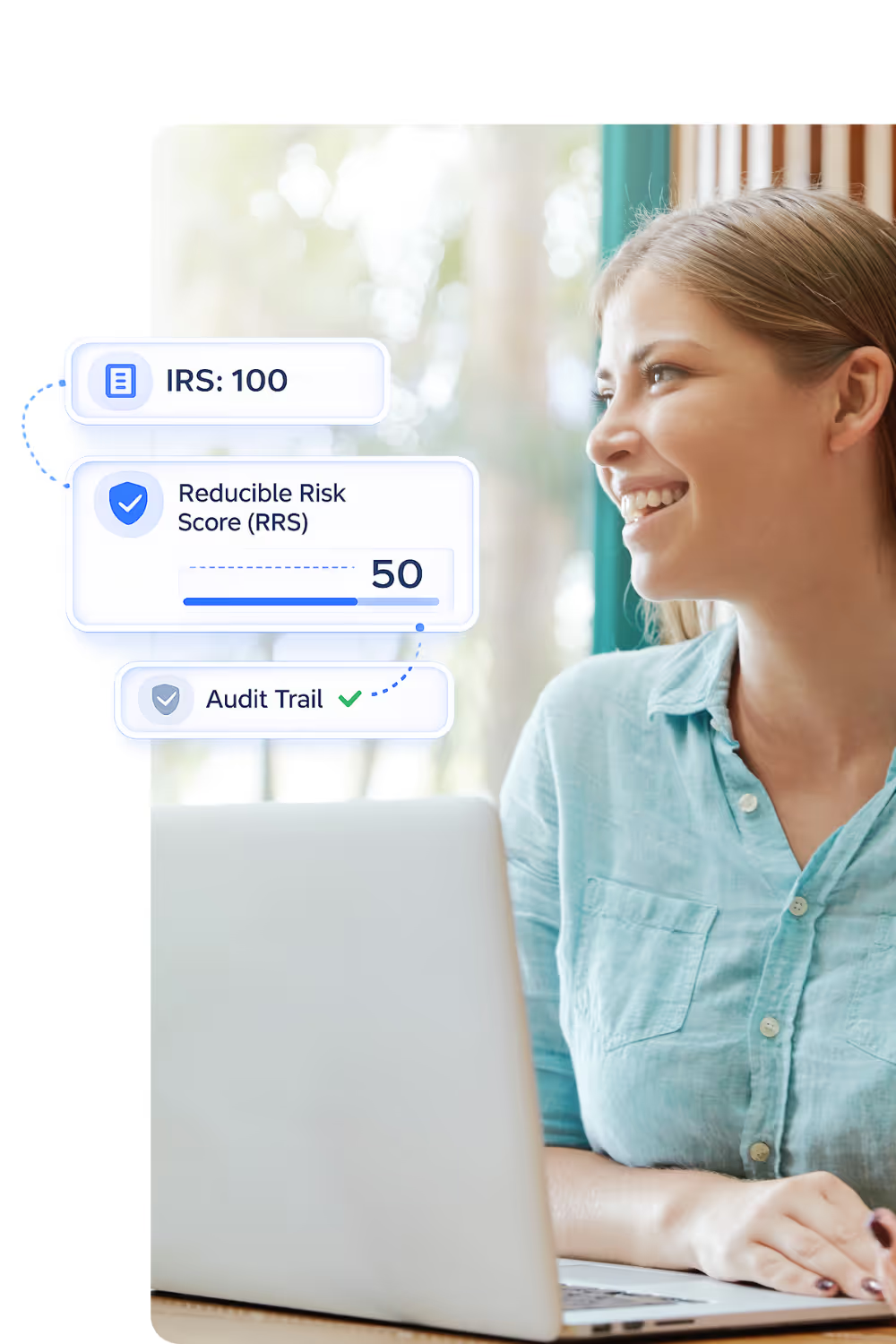
Keep a clear audit trail of assessments
Ready to strengthen model risk assessment?
See how Yields helps organisations apply consistent and transparent model risk assessment as part of its Model Risk Management software.
FAQ

As organizations increasingly rely on models for critical decisions, understanding model risk becomes essential. The purpose is to assess risk in a consistent manner, despite differences in model purpose, complexity, and impact.
Without a structured approach, risk assessment is often hampered by subjective judgment, unclear criteria, the complexity of AI-driven models, and limited traceability. This leads to inefficient and difficult-to-defend model risk assessments.
Yields Model Risk Management software helps organizations perform consistent and repeatable risk assessment. Teams can capture key risk factors in a structured format, apply consistent assessment criteria, assign clear risk tiers based on impact and complexity, link risk levels to validation and governance actions, and maintain a clear audit trail of assessments.
A structured approach helps teams prioritize reviews and make informed decisions about model risk. It ensures clarity, consistency, and confidence in the assessment process.